
I told her that the part we usually eat is the root that grows underground and showed her a picture of a freshly pulled beet. I explained that the stems and leaves are edible too, and that beets can be stored for a long time under the right conditions. Best of all, they grow right here in Nova Scotia. It was a short conversation but after the beets came out of the oven, she felt much less reluctant to pop one in her mouth. It was a small, but not insignificant moment. These are the kinds of conversations that shape curiosity, confidence, and connection to food. And too often, they’re missing in our homes, community spaces, and schools.
The work I do has always felt like an extension of my personal values: eating food that makes me feel good, sparking creativity through cooking, and caring for the ecosystems that sustain us. So when people ask why youth need food education and what it has to do with Nova Scotia’s future, the answer is simple.
Youth are the future of food in Nova Scotia.
They have the power to shape a healthier, more resilient food system for our province.
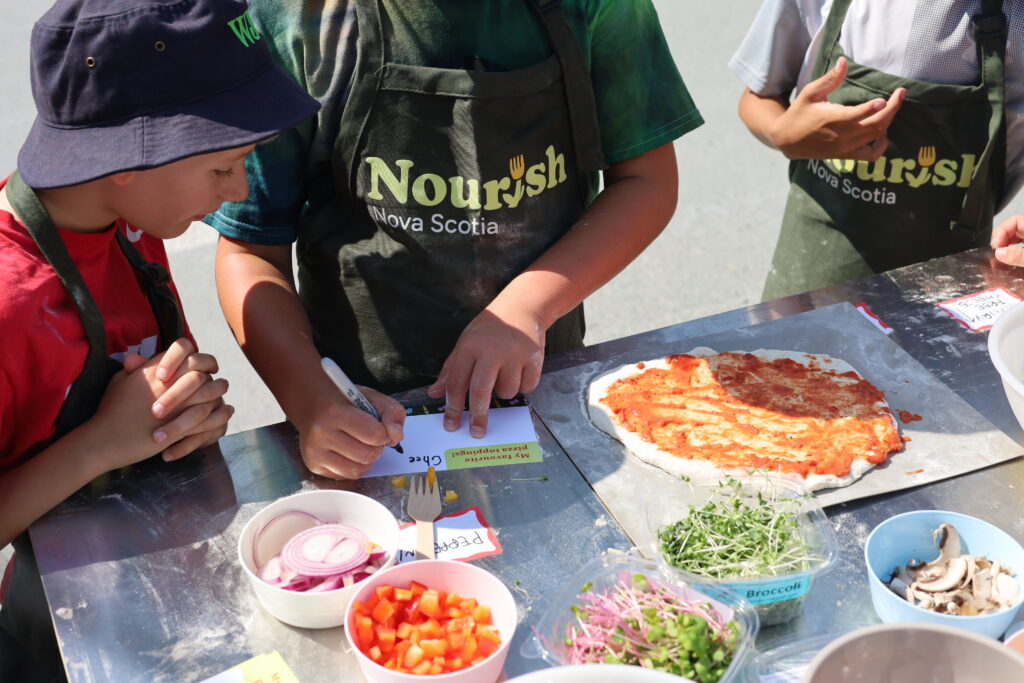
At Nourish Nova Scotia, we believe every young person deserves the knowledge, skills, and opportunities to build positive, healthy relationships with food. When we equip youth with hands‑on food education, we’re not just teaching them how to cook or grow food — we are supporting a thriving, empowered generation, that values and protects our local food system.
Food Education is an essential life skill. It’s also a vital component of culture, community, health, and our economy. When youth grow food, cook together, share meals, and contribute to local food initiatives, they build confidence and develop a deeper appreciation for where their food comes from. In Nova Scotia, our food system is in crisis, and youth who understand and engage with food become powerful drivers of change.
Parents and youth consistently view food literacy, cooking, and making informed food choices as valuable life skills. I’d argue that they’re equally important as skills like digital literacy and time management. Food education supports health, expands cultural awareness, and nurtures the ability to care for oneself and others. It also opens doors to meaningful careers in agriculture, nutrition, food safety, culinary arts, food policy, and community development — sectors that are vital to Nova Scotia’s economy and future workforce.
Yet access to food education not equal. Opportunities to learn and practice food skills vary greatly based on income, geography, and the presence of school or community programs. Many families face tight budgets, limited time, and rising food insecurity, making it difficult for youth to gain essential food skills. In 2024, 38% of Nova Scotian children under 18 lived in food-insecure households, and children now represent one-third of monthly food bank users in Canada. When families struggle to access food, youth miss out on learning opportunities — deepening cycles of inequality and poor health outcomes.
Foundational Food Learning in Schools
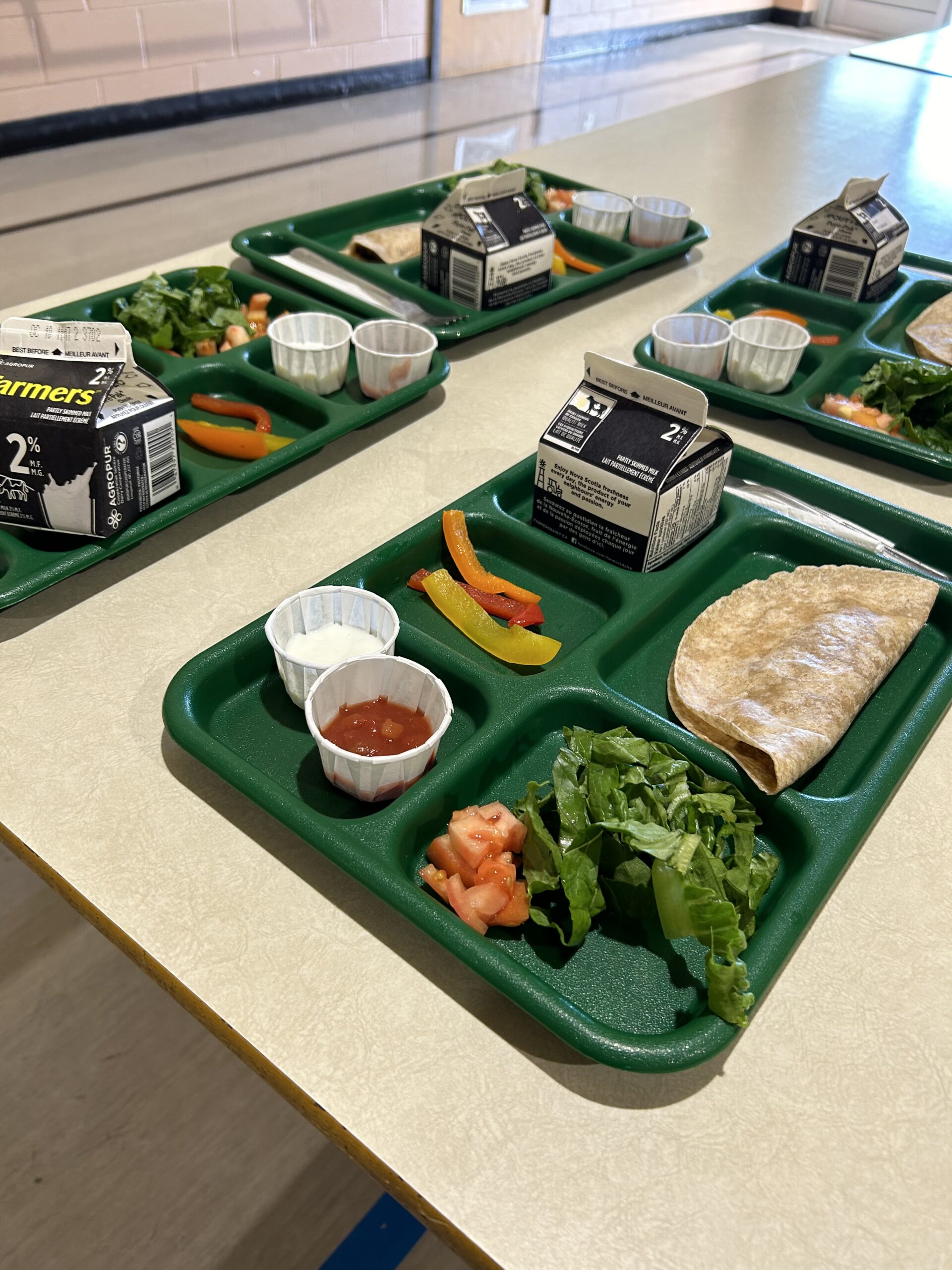
Schools can help level the playing field. Nova Scotia has become a national leader in school food investment — providing breakfast, lunch, and snacks in every public school and investing more per student than any other province. While these programs won’t solve food insecurity for families, they are a testament to the province’s commitment to child and youth well-being.
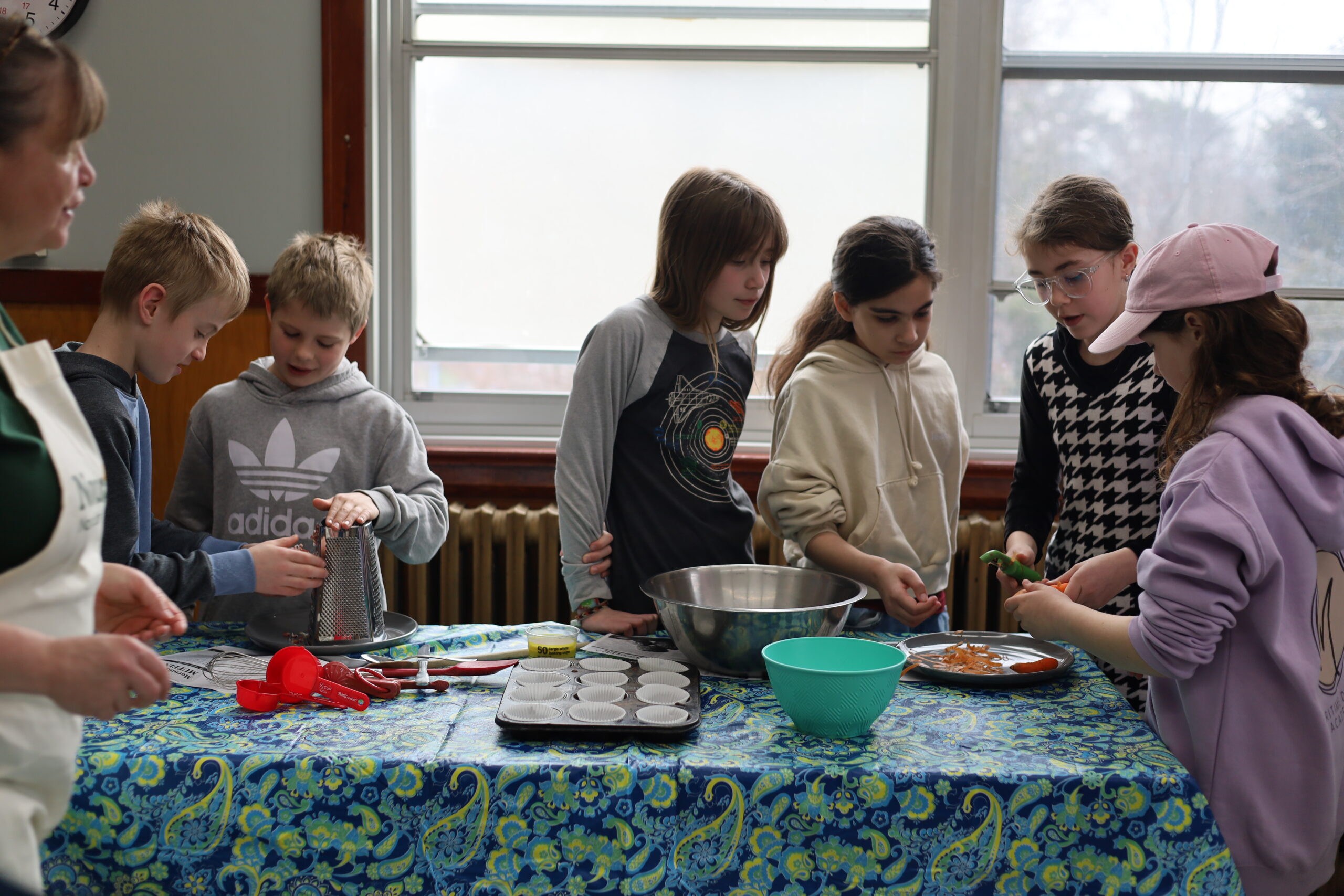
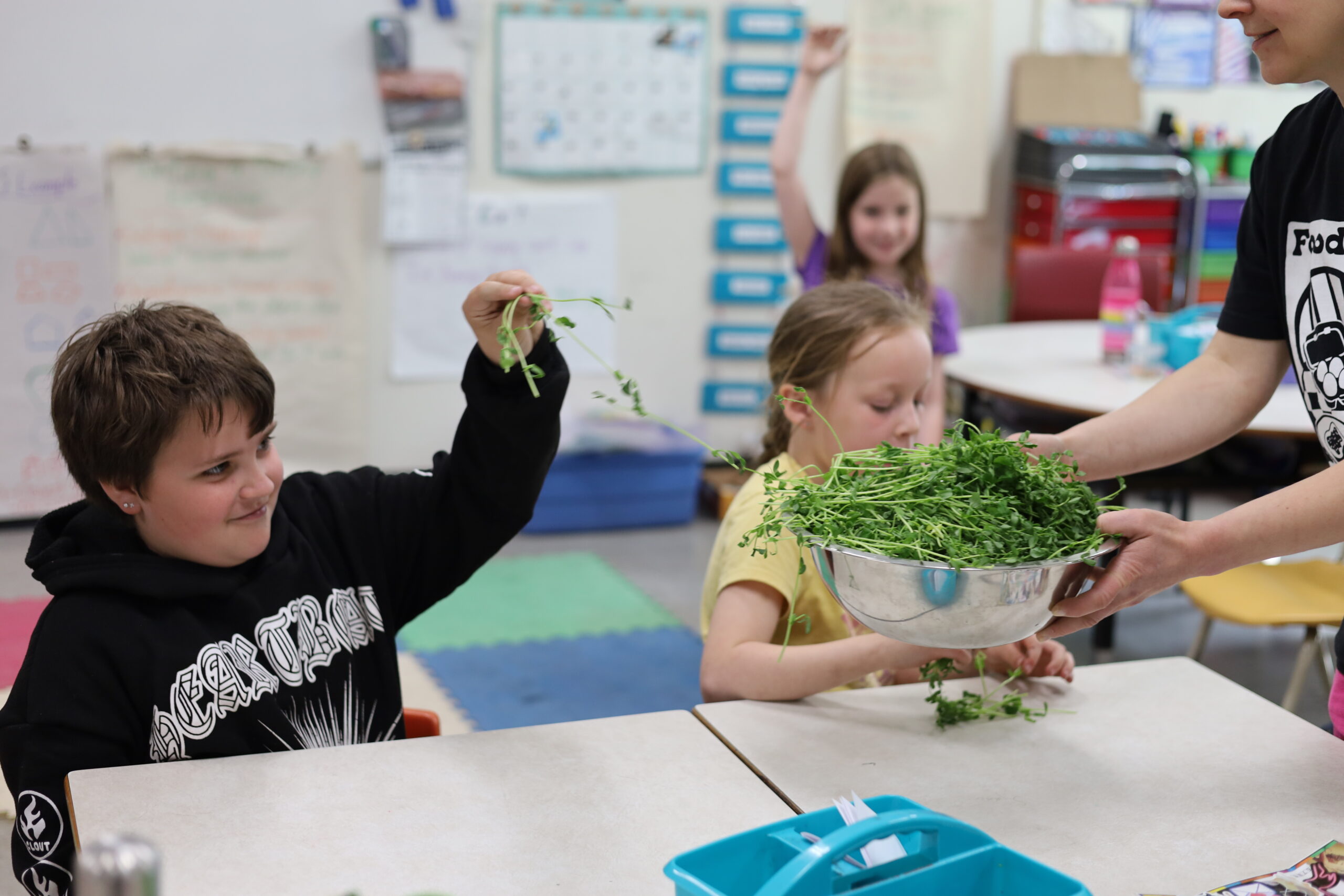
But without embedded, consistent, high-quality food education, the long-term social and economic benefits of school food programs will not be fully realized. Students learn about food not only through curriculum, but through hands‑on experiences: food labs, school gardens, after‑school cooking programs, and student‑led initiatives. These experiences shape lifelong habits, attitudes, and skills. We only need to look to countries like France or Finland to see that great school food programs are as much about eating nutritious food as they are about teaching students about food and fostering social connectivity. This work is on its way in schools across Canada, but there’s lots more to do.
Community Organizations: Bridging the Food Literacy Gap
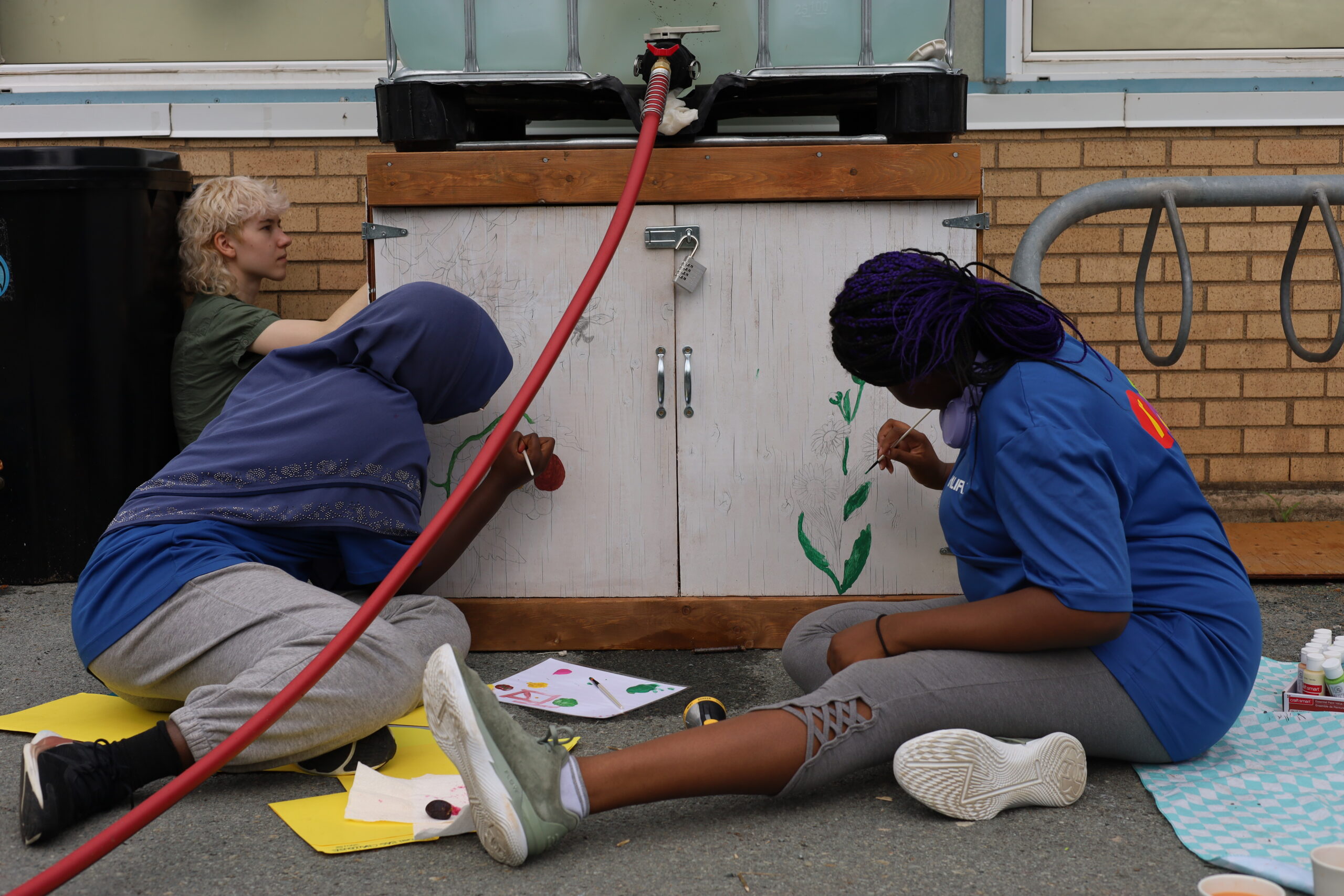
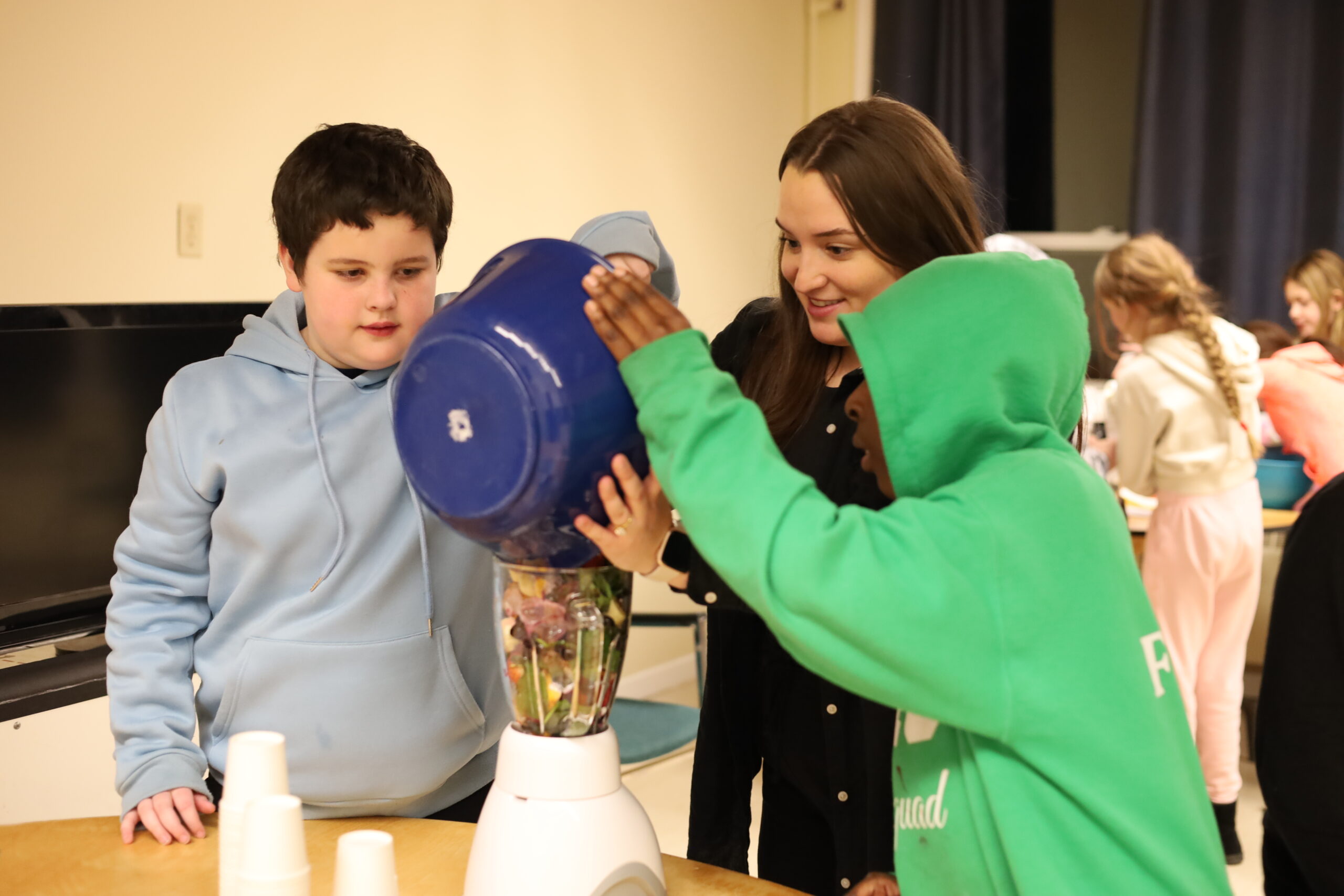
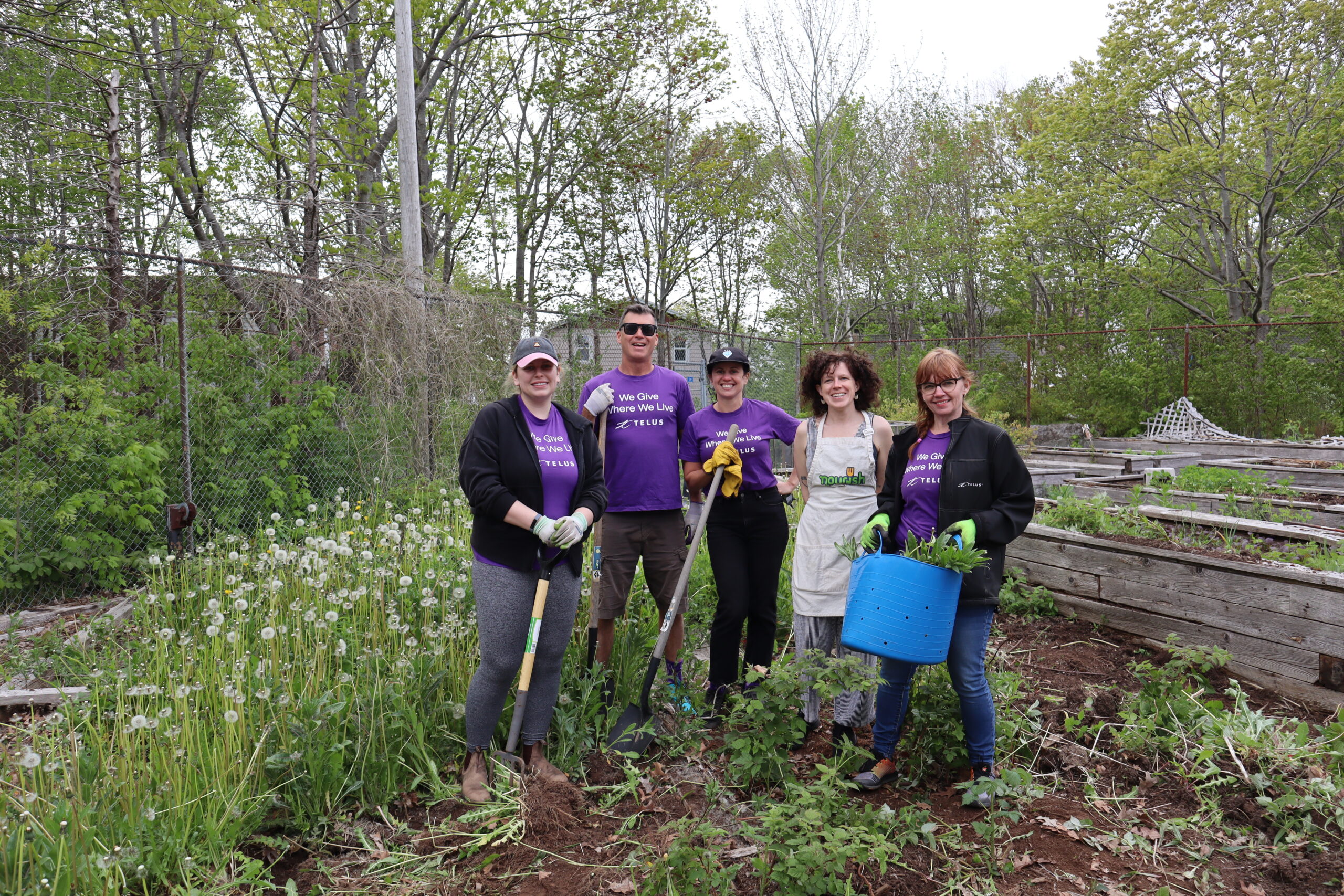
Across Nova Scotia, community organizations are stepping up to fill the gaps. Family resource centres, libraries, and local nonprofits are weaving food access and literacy into their daily routines and programs — whether preparing breakfast with children, offering after‑school cooking classes, or growing food in community gardens. These programs provide vital entry points for youth to gain hands‑on experience, but they are often under-resourced and already working overtime to provide essential services and programs for families.
The Need for a Holistic Approach
This work requires holistic approaches that place food at the centre of community planning and development. It means investments in public food infrastructure and well-equipped spaces where youth and community can engage in experiential learning about food. It also means coordinated efforts to foster supportive food environments, where educators and facilitators are equipped with the knowledge, tools and resources they need to help youth build lasting skills and foster healthy relationships with food. Food education must be a coordinated, province-wide commitment.
By prioritizing food education, we do more than teach youth how to cook.
We teach them to value and protect the ecosystems that sustain us. We empower them to shape food initiatives in their schools and communities. We give them the confidence to imagine — and build — a healthier, more resilient food system.
When youth understand and engage with food, they don’t just feed themselves — they help feed the future of our province.
Written by Aimee Gasparetto, Executive Director at Nourish Nova Scotia