
Food Literacy in Schools
Nourishing students through hands-on learning so they can thrive in the classroom and in life.
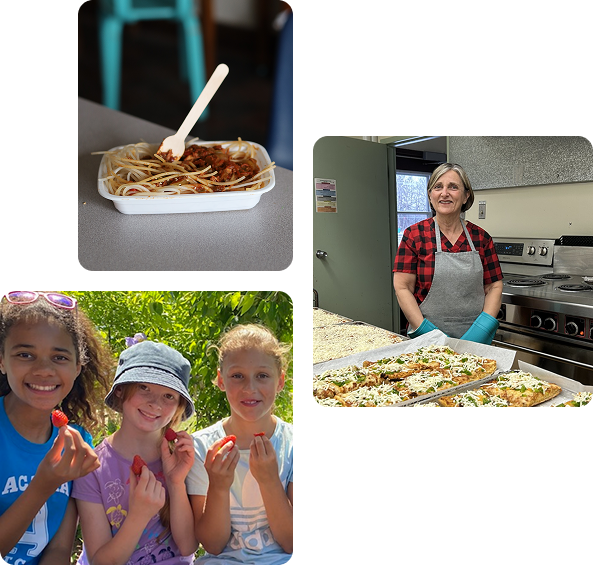
Across Nova Scotia, school food programs are expanding access to nourishing foods and helping ensure that schools are places where students feel energized, supported, and ready to learn. From grab-and-go breakfasts to hot sit-down meals, students can choose from a variety of nutritious options that help them thrive.
Yet without consistent, high-quality food education woven into these programs, the full social, health, and economic benefits of these programs cannot be fully realized. Food education must be hands-on, inclusive, and grounded in supportive school environments.
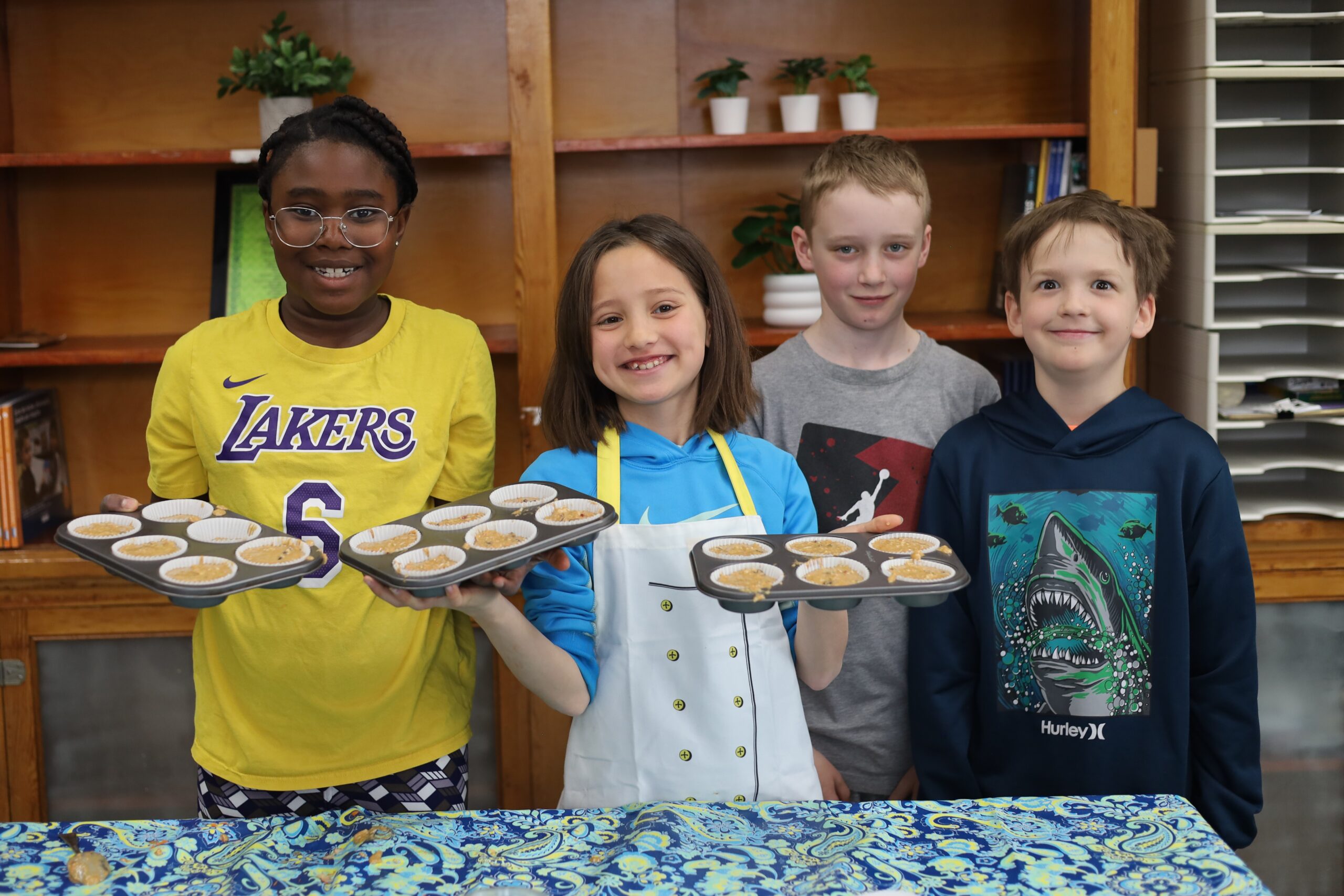
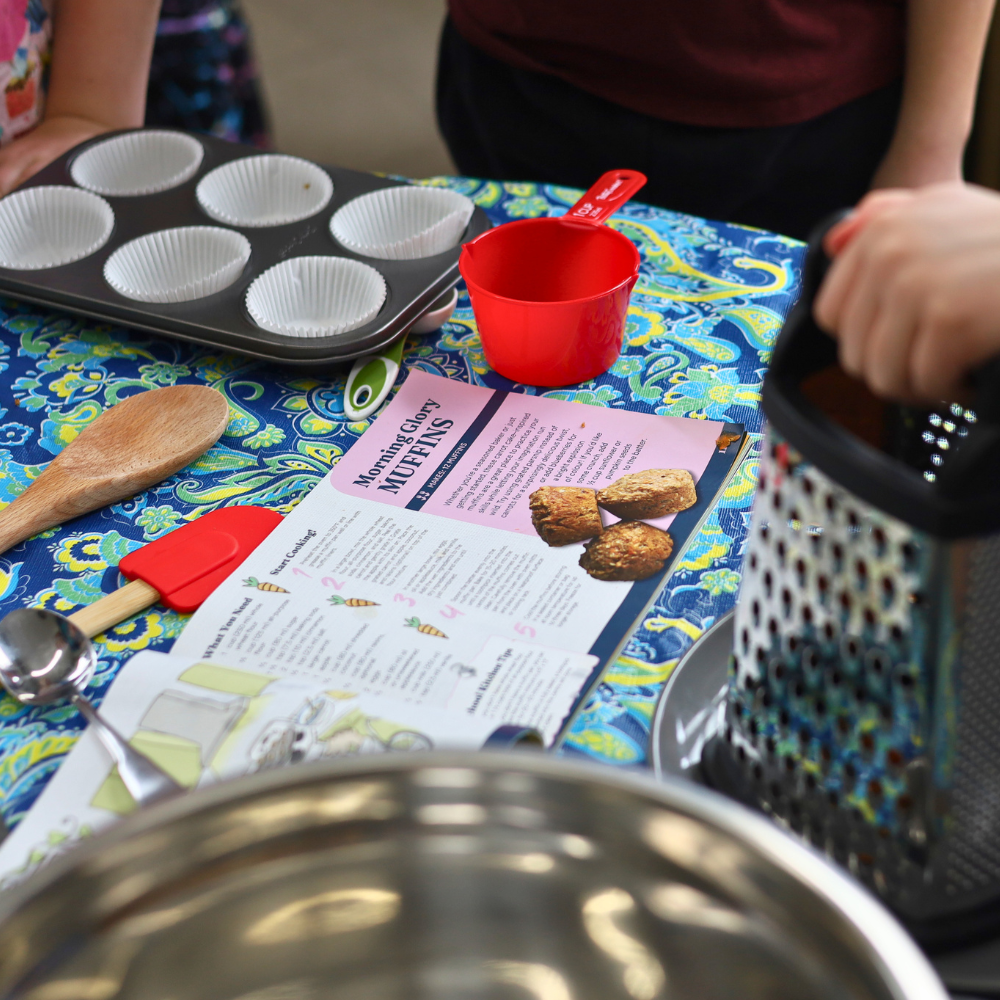
Through our school-based partnerships, we bring food education to life in schools across Nova Scotia. Through our school-based partnerships, we bring food education to life in schools across Nova Scotia. Students build skills, confidence, and connections through hands-on experiences growing, preparing, tasting, and learning about food.
Recipes for Learning

In 2024, school food programs in Nova Scotia gained new momentum with the launch of the Nova Scotia School Lunch Program.
Soon after, Nova Scotia joined provinces and territories across the country in the National School Food Program, marking a significant milestone in Canada’s growing commitment to ensuring all students have access to nutritious food at school. These investments build on more than a decade of collective efforts to strengthen and sustain school food across Nova Scotia and beyond. Together, they are reshaping the school food landscape, and we are proud to be part of that transformation. Today, our work continues by creating opportunities for students to learn about food and participate in food-related initiatives at school, whether in the classroom, cafeteria, or outdoors. While Nourish Nova Scotia is not involved in the operation or delivery of school meals, our programs and partnerships focus on:
- Strengthening Food Literacy through programs and resources that create opportunities for students to learn about and have positive experiences with food.
- Fostering Supportive Food Environments by equipping educators and school staff with evidence-informed resources, tools, and professional learning opportunities.
- Advancing Awareness of School Food by sharing evidence, stories, and promising practices that highlight the impact of school food on students, school communities, and our province.
- Coordinating Funding and Partnerships that strengthen school food infrastructure and foster deeper connections to Nova Scotia’s local food system.
Featured Resources
- Food Literacy, School Food
Guide to Starting a School Cooking Club
- School Food
Food Literacy Education Guide
- School Food
Nova Scotia School Food and Beverage Standards
The Benefits of School Food
Well-nourished students are ready to learn, have more energy, and are less likely to be distracted by hunger. When students also have opportunities to learn about food at school, they gain the knowledge, skills, and confidence to make informed food choices that can support their health and well-being throughout their lives. Research from around the world shows that school food programs can have far-reaching benefits, especially when they:
- Reflect local needs and preferences by offering flexible, locally adapted menus shaped by students, families, and local food suppliers. Wherever possible, provide opportunities for choice and exploration in food selection.
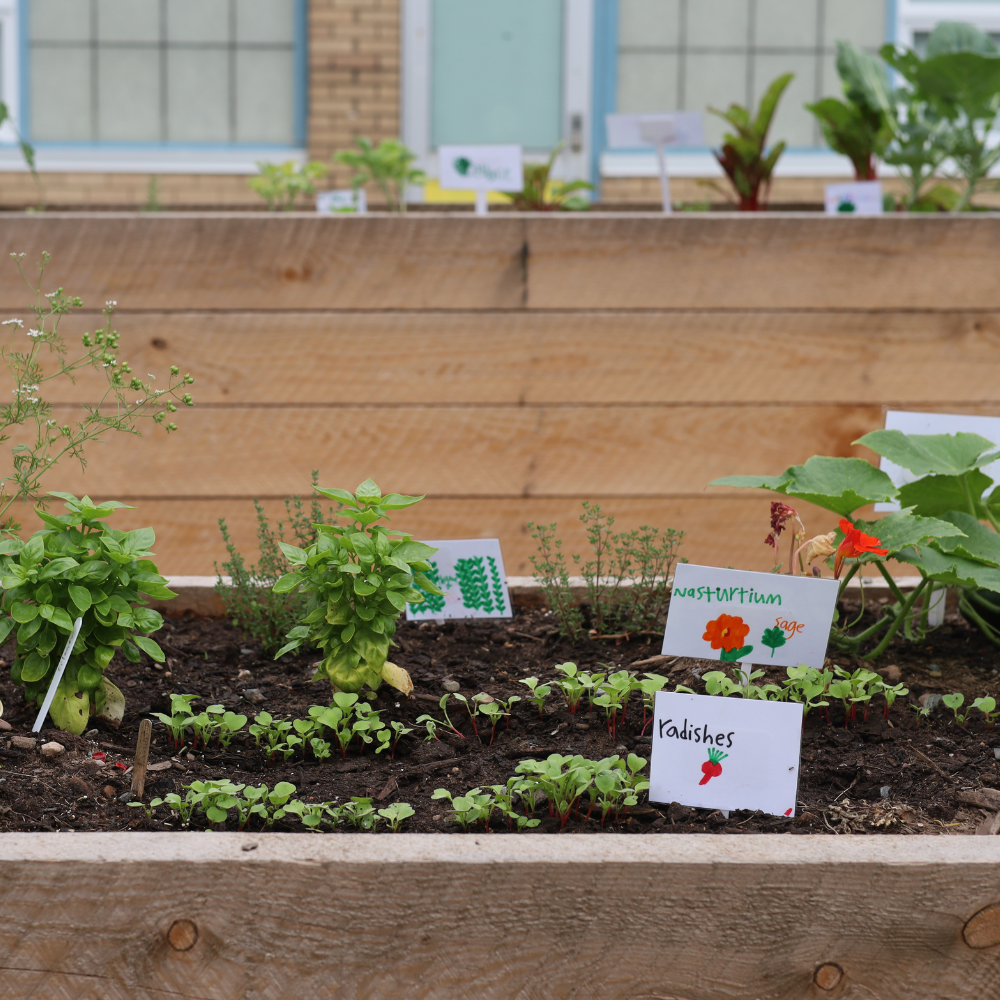
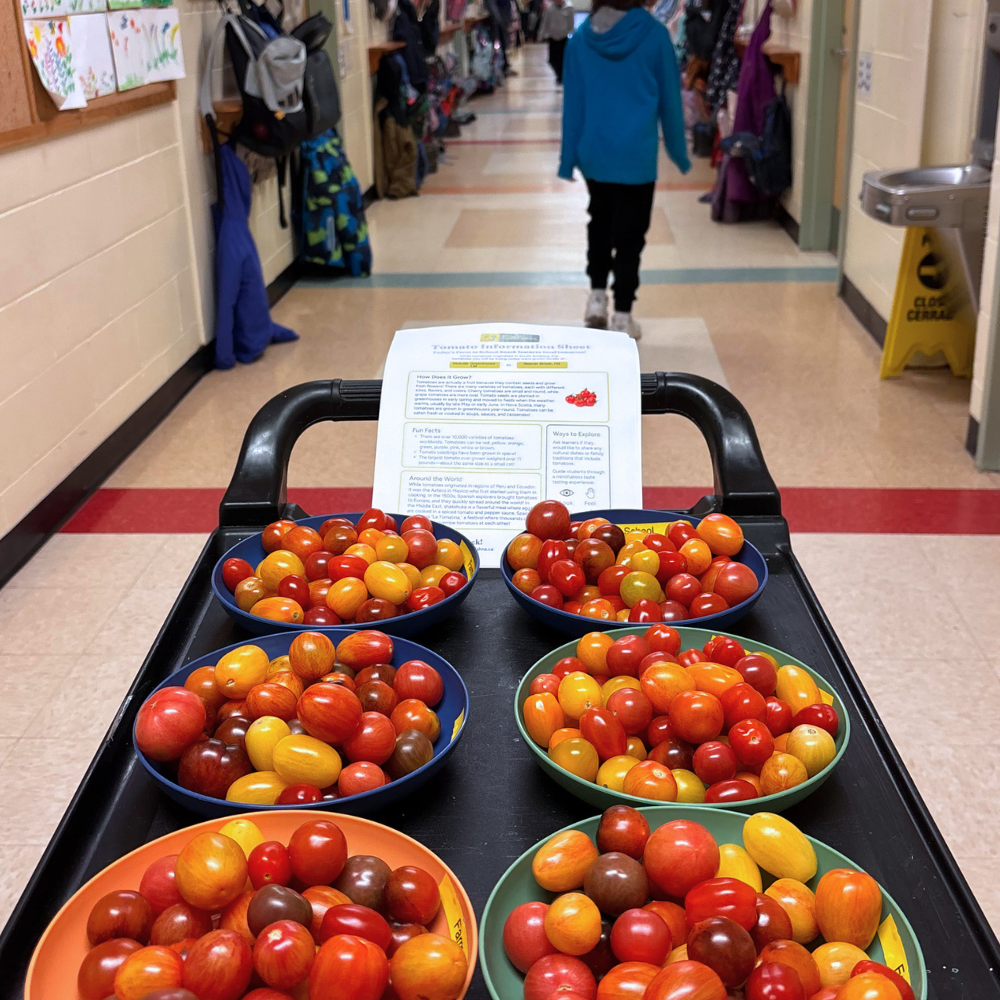
- Integrate food literacy and experiential learning by creating opportunities for students to grow, prepare, taste, and learn about food.
- Strengthen local food systems through thoughtful menu design, local procurement, and meaningful connections to farmers, producers, and food organizations.
- Create welcoming and inclusive food environments that foster positive relationships with food, build a sense of belonging, and ensure all students can participate with dignity.
Soon after, Nova Scotia joined provinces and territories across the country in the National School Food Program, marking a significant milestone in Canada’s growing commitment to ensuring all students have access to nutritious food at school. These investments build on more than a decade of collective efforts to strengthen and sustain school food across Nova Scotia and beyond. Together, they are reshaping the school food landscape, and we are proud to be part of that transformation. Today, our work continues by creating opportunities for students to learn about food and participate in food-related initiatives at school, whether in the classroom, cafeteria, or outdoors. While Nourish Nova Scotia is not involved in the operation or delivery of school meals, we support school food through advocacy, engagement, and food literacy.
- Strengthening Food Literacy through programs and resources that create opportunities for students to learn about and have positive experiences with food.
- Fostering Supportive Food Environments by equipping educators and school staff with evidence-informed resources, tools, and professional learning opportunities.
- Advancing Awareness of School Food by sharing evidence, stories, and promising practices that highlight the impact of school food on students, school communities, and our province.
- Coordinating Funding and Partnerships that strengthen school food infrastructure and foster deeper connections to Nova Scotia’s local food system.
Every day, many students in Nova Scotia go to school hungry, affecting their ability to learn, grow, and feel connected to their peers.
Across Nova Scotia, school food programs are expanding access to nourishing foods and helping ensure that schools are places where students feel energized, supported, and ready to learn. From grab-and-go breakfasts to hot sit-down meals, students can choose from a variety of nutritious options that help them thrive.
Yet without consistent, high-quality food education woven into these programs, we miss an opportunity to fully realize their social, health, and economic benefits. Food literacy must be hands-on, inclusive, and grounded in supportive school environments and strong community partnerships.
Through our school-based partnerships, we bring food education to life in schools across Nova Scotia. By creating opportunities for students to grow, prepare, taste, and learn about food, we foster positive food experiences that build skills, confidence, and stronger connections to one another, their communities, and the local food system.
As part of our “Stories from the Ground” series on School Food, here’s what students and the school community are saying:
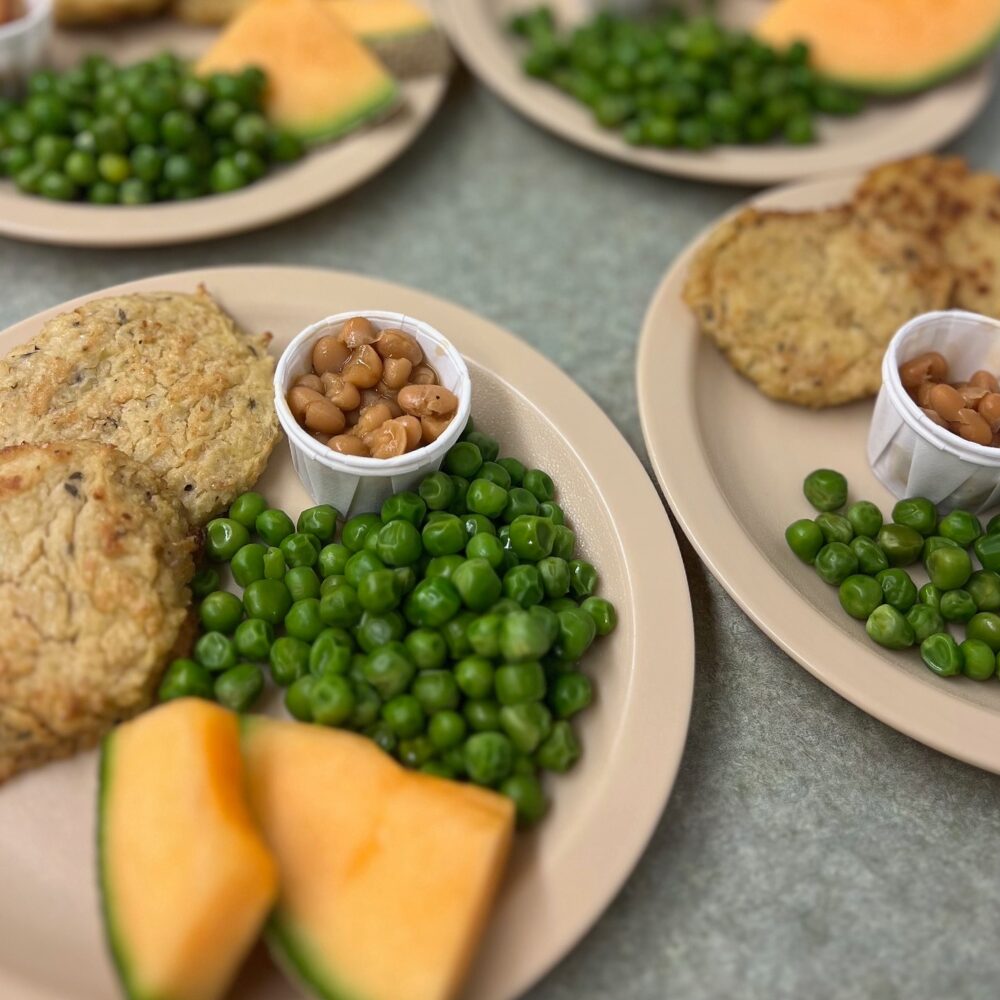
“I wanted to highlight a great example of collaboration and integration between our food service staff and students at Islands. Lawna Sullivan and Cheryl Boushey have been working closely with Grade 5 students on a project that connects classroom learning with the Provincial Lunch Program. The students gathered data on meal preferences and created charts and graphs to showcase their findings. This initiative not only helps students develop important skills like data collection and analysis, but it also strengthens the connection between food services and the school community. It’s fantastic to see our food service staff engaging with students in such a meaningful way, helping them understand the role of nutrition and meal planning in their daily lives.”
–
School Food Program Lead
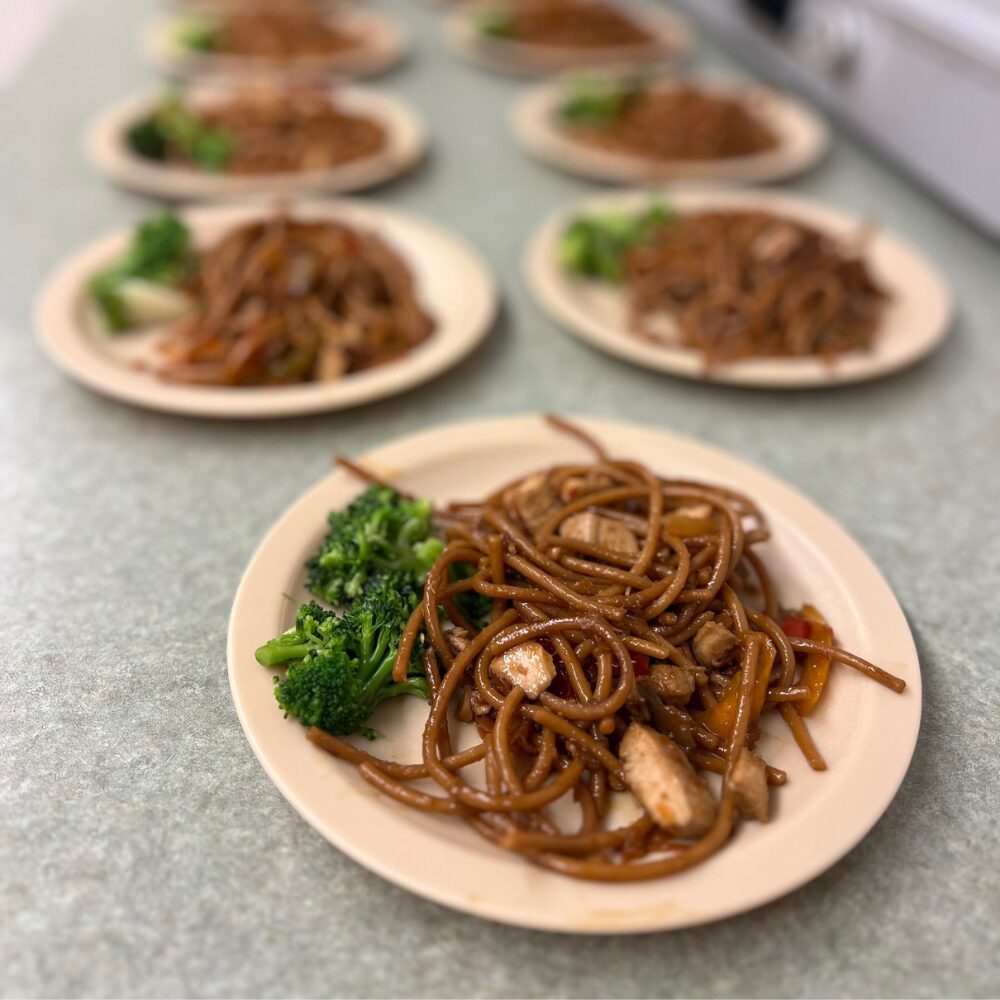
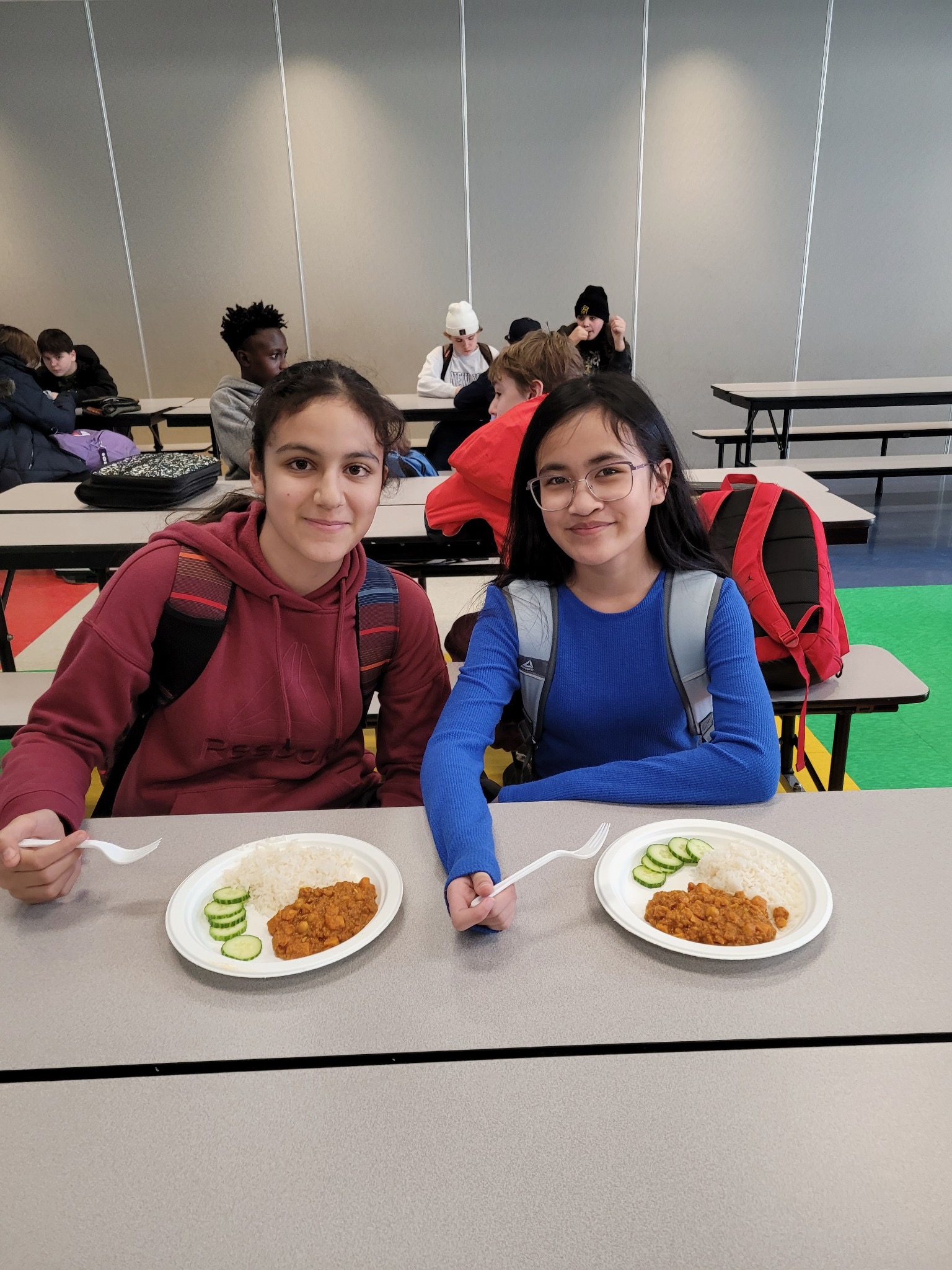
“I’m a grade 5 teacher at a rural school, and the lunch program is going really well here! Students are trying new things and are excited when their favourite meals come around. The salad bar is a huge hit as well. I love that there is no longer a scramble to make sure everyone has a lunch. Every student is welcome to eat, no questions asked. It may seem like a small thing but it really means so much.”
–
Teacher

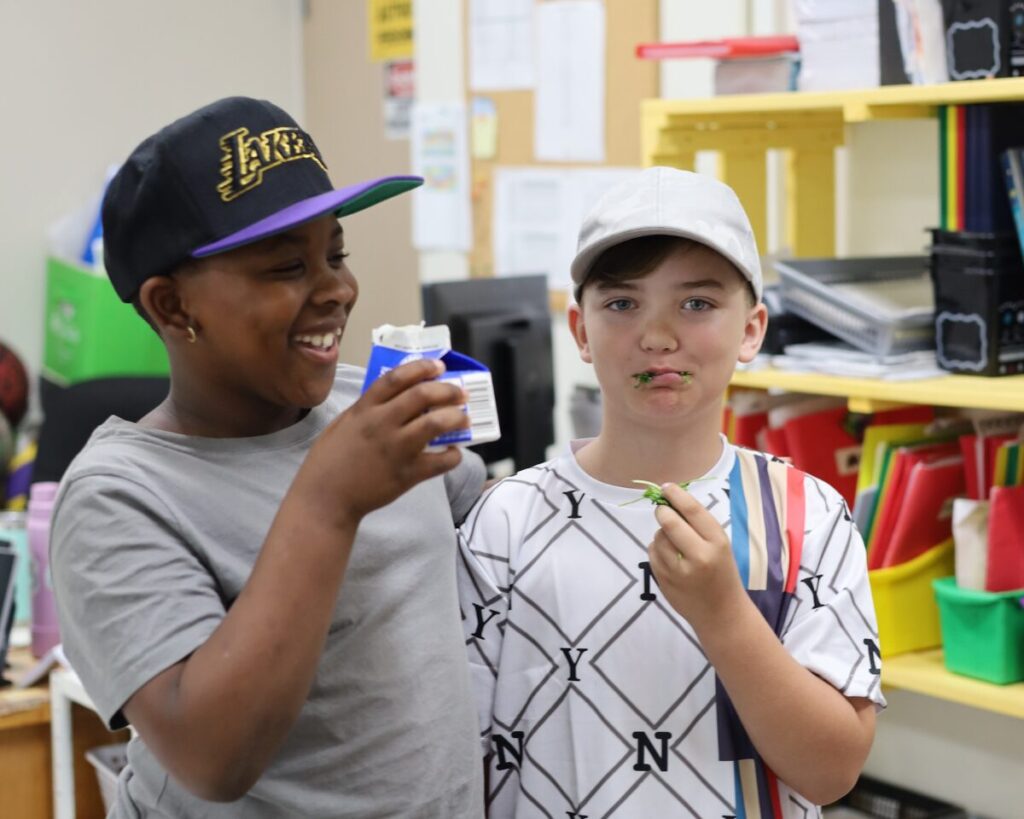
“Beyond access to food, this program has also encouraged students to try new foods and expand their palates. Kids who were once considered picky eaters are finishing their meals and even asking for extra vegetables! I’ve seen students excitedly encouraging their friends to try something new, which is amazing to witness.”
–
School Food Program Lead

“Love love love it! It’s made my life so much easier and my kids have loved it! I can not express for very moms how helpful this is! It’s truly worth every penny, there’s been like 2 things my oldest hasn’t liked, so far both my kids (6 and 9) have liked it!”
–
Parent
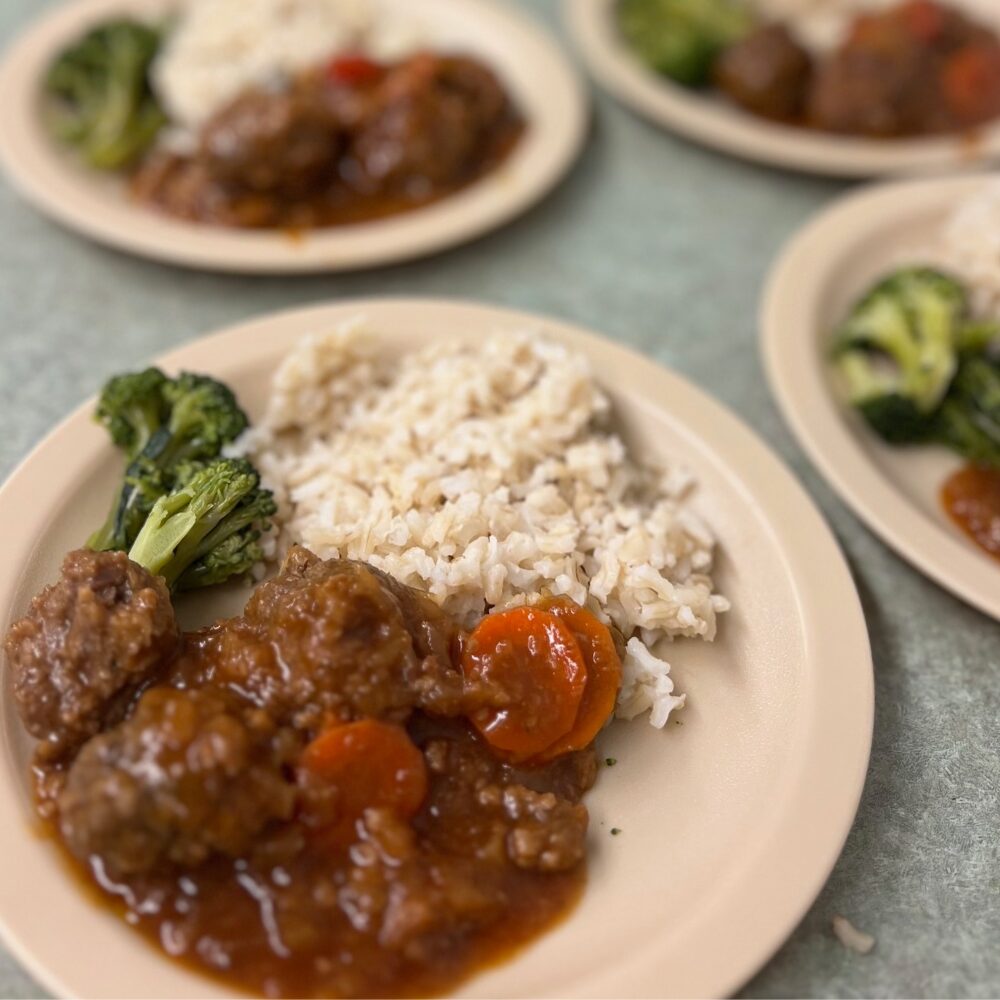
“Overall, this year has been about building the systems, partnerships, and production capacity needed to support large-scale school lunch delivery in HRM, while keeping as much of the program as possible rooted in the local community. This work continues as we learn more and more about each individual school we work with, tailoring to their needs so that this program has as much success as possible.”