Setting the Table
A professional learning series to promote supportive food environments and positive experiences with food.
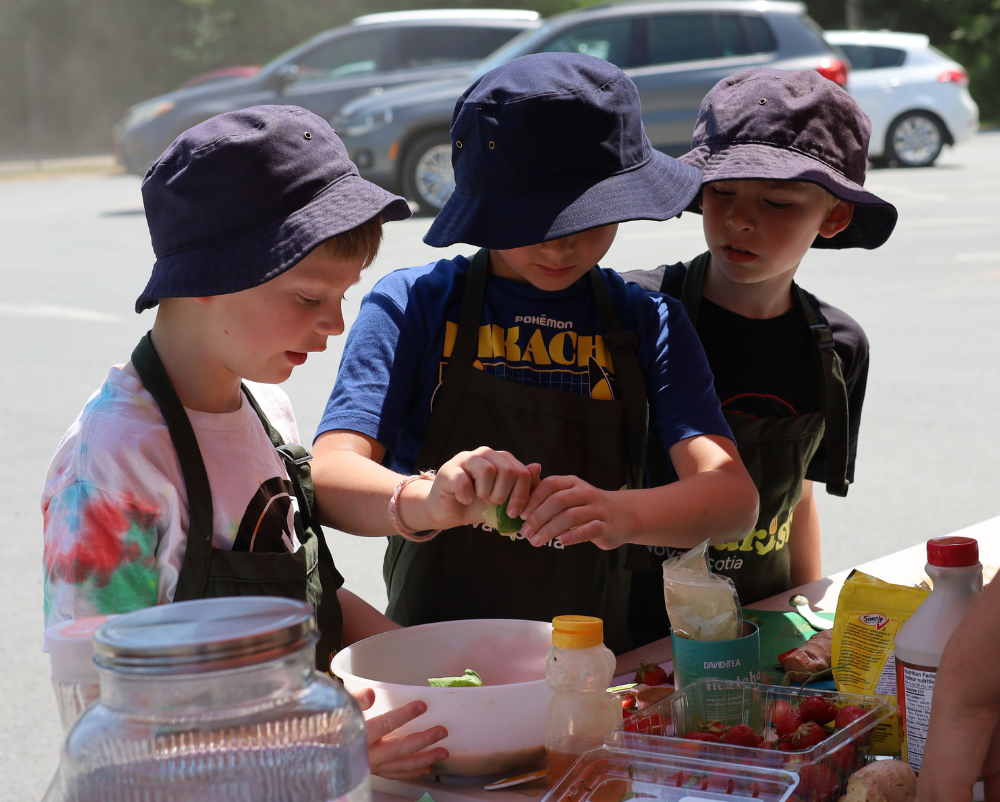
Setting the Table is a practical professional learning series designed to equip educators and facilitators with the knowledge, skills, and confidence to create supportive food environments for young people. While the series is still under development, the principles and approaches guiding its creation already shape much of our work at Nourish Nova Scotia.
When launched, the series will offer a blend of foundational knowledge, practical tools, and hands-on activities that can be adapted across a variety of school and community settings. Learning will be organized into four progressive modules:
Language Matters: Explore how language, attitudes, and beliefs shape young people’s relationships with food. This module introduces foundational concepts related to eating disorders, neutral and inclusive food language, and strategies for fostering respectful, supportive conversations about food, bodies, and health.
Food Sovereignty & Food Security: Examine youth- and community-led approaches to food security and food sovereignty. Participants will explore the systems that shape food access and engage with activities that support meaningful conversations about equity, culture, and creating positive food environments.
Nutrition Education: Build confidence in delivering age-appropriate nutrition education. This module provides practical tools, hands-on learning opportunities, and strategies for discussing nutrition in ways that are accurate, engaging, and supportive of positive relationships with food.
Food Skills Progression & Facilitation: Learn how food skills develop throughout childhood and adolescence, and how to support that growth over time. Participants will explore strategies for scaffolding learning, promoting independence, and creating safe, engaging food experiences for youth.
Designed to support long-term capacity building, Setting the Table will evolve into a combination of in-person and virtual learning opportunities, complemented by resources available through our Learning Hub. Throughout development, we have collaborated closely with educators, community partners, and subject matter experts to test and refine content, ensuring it is practical, relevant, and grounded in real-world experience.
What is a Supportive Food Environment?
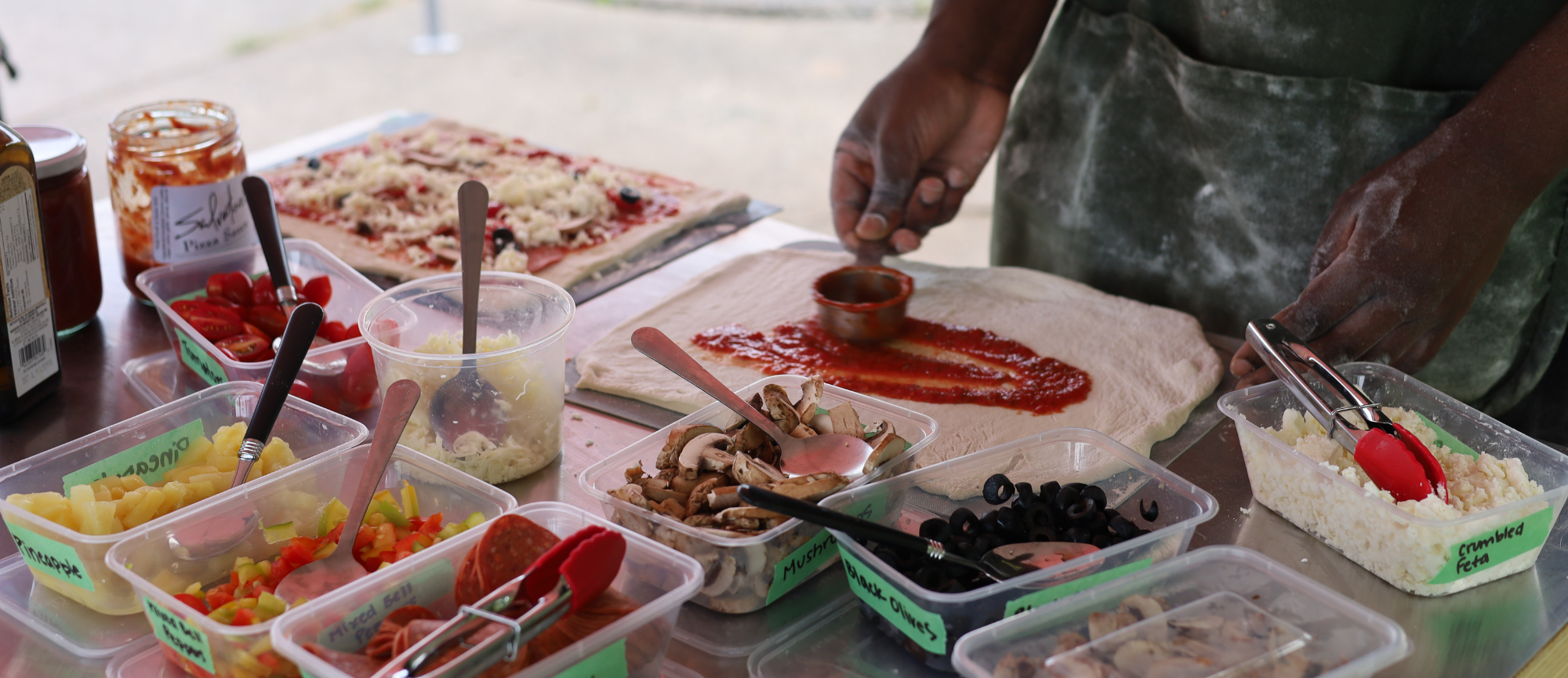
A supportive food environment is an inclusive and welcoming space where people can build positive relationships with food and their bodies. It fosters learning through curiosity, exploration, and non-judgmental conversations, while promoting self-respect and respect for others. It also recognizes and celebrates the deep connections between food, culture, tradition, and identity, creating opportunities for people to feel valued, connected, and supported in their food journeys.
Nourish Nova Scotia’s Statement on Healthy Eating
Healthy* eating involves a variety of foods that make us feel good and give us energy to do the things we love. There are no good or bad foods. Healthy eating includes sharing food experiences with others. Healthy foods nourish our body, mind, and spirit.
Nourish Nova recognizes that the term healthy* in relation to food means something different to every individual and group. We provide this statement not to define it for you, but rather to clarify to our audience what we mean when we use the term, and keep it standard across our content.
We understand that not everyone has access to foods they enjoy and consider healthy. We also recognize that the term healthy is often used to oppress and stigmatize people, in particular those living in larger bodies, those with disabilities, lower-income folks, and racialized communities. As we listen and learn from a widening variety of groups who have faced healthy or body-related oppression, this statement will evolve.
To support more inclusive dialogue around healthy eating among youth and the people who support them (ie. educators, caregivers, youth support workers, etc.), we have developed a Positive Food Environment Toolkit for dialogue with practical activities for different age groups.
From juicy ground cherries to crunchy bell peppers, crisp kale, and vibrant rainbow carrots, students are offered a variety of fruits and vegetables to experience and enjoy.
Each snack is paired with engaging food literacy resources that help turn the tasting experience into a learning opportunity. These resources include information sheets about how the produce is grown and enjoyed around the world, a Farm to Snack Adventures video series showcasing the produce’s journey from farm to school, and curriculum-linked activities from Agriculture in the Classroom – Nova Scotia.
In each school, Farm to School Snack is run by dedicated volunteers with ongoing support from our Farm to School Coordinator. The program is open to schools across all Regional Centres for Education, as well as those in the Conseil scolaire acadien provincial and Mi’kmaw Kina’matnewey.